
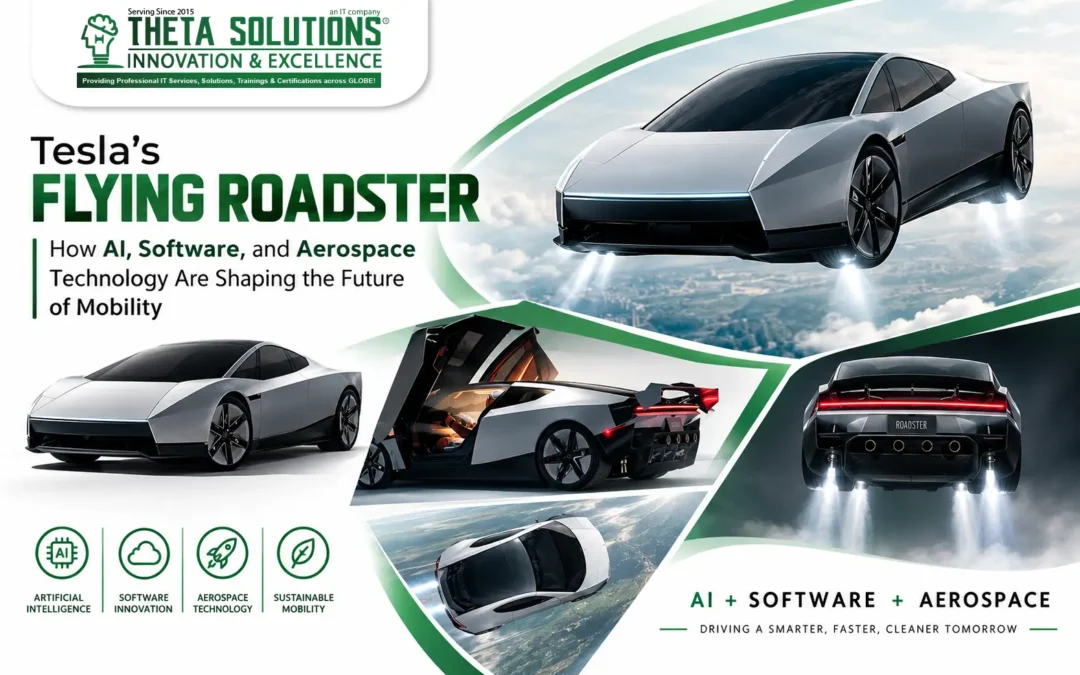
The future of transportation is moving beyond traditional electric vehicles. Artificial intelligence, advanced software engineering, aerospace technology, and intelligent control systems are opening new possibilities for how vehicles are designed, operated, and controlled.
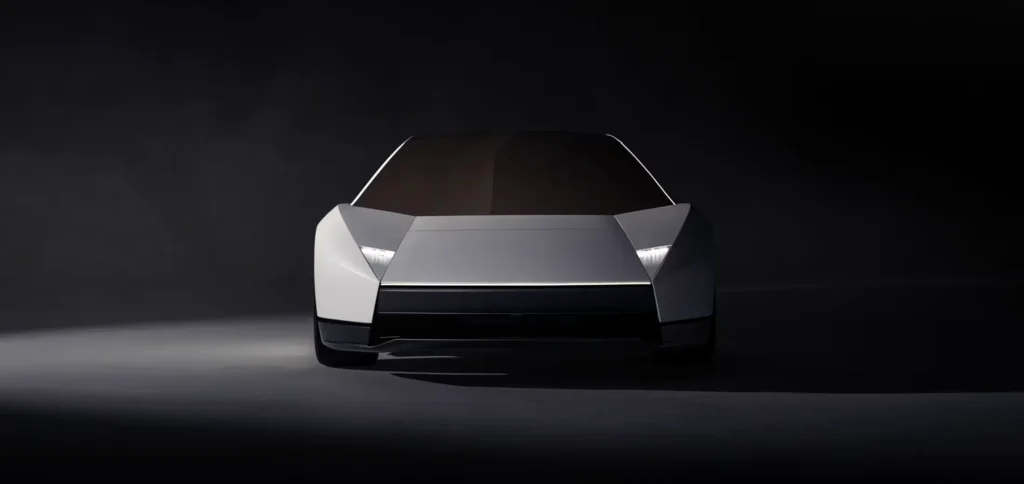
Tesla’s next-generation Roadster has brought this vision into the spotlight. On October 15, 2026, Tesla unveiled a redesigned Roadster featuring a rocket-inspired propulsion system, an innovative suction-based aerodynamic system, and performance claims that push the boundaries of conventional sports cars. The company has also presented a Rocket configuration designed for brief airborne movement.
However, this is not a conventional flying car that can independently travel through the sky like an aircraft. Its experimental capabilities rely on specialised hardware, and Tesla states that the Rocket configuration is not approved for public road use. Production is targeted for 2028, meaning the final specifications and customer availability remain subject to confirmation.
What Makes Tesla’s New Roadster Different?
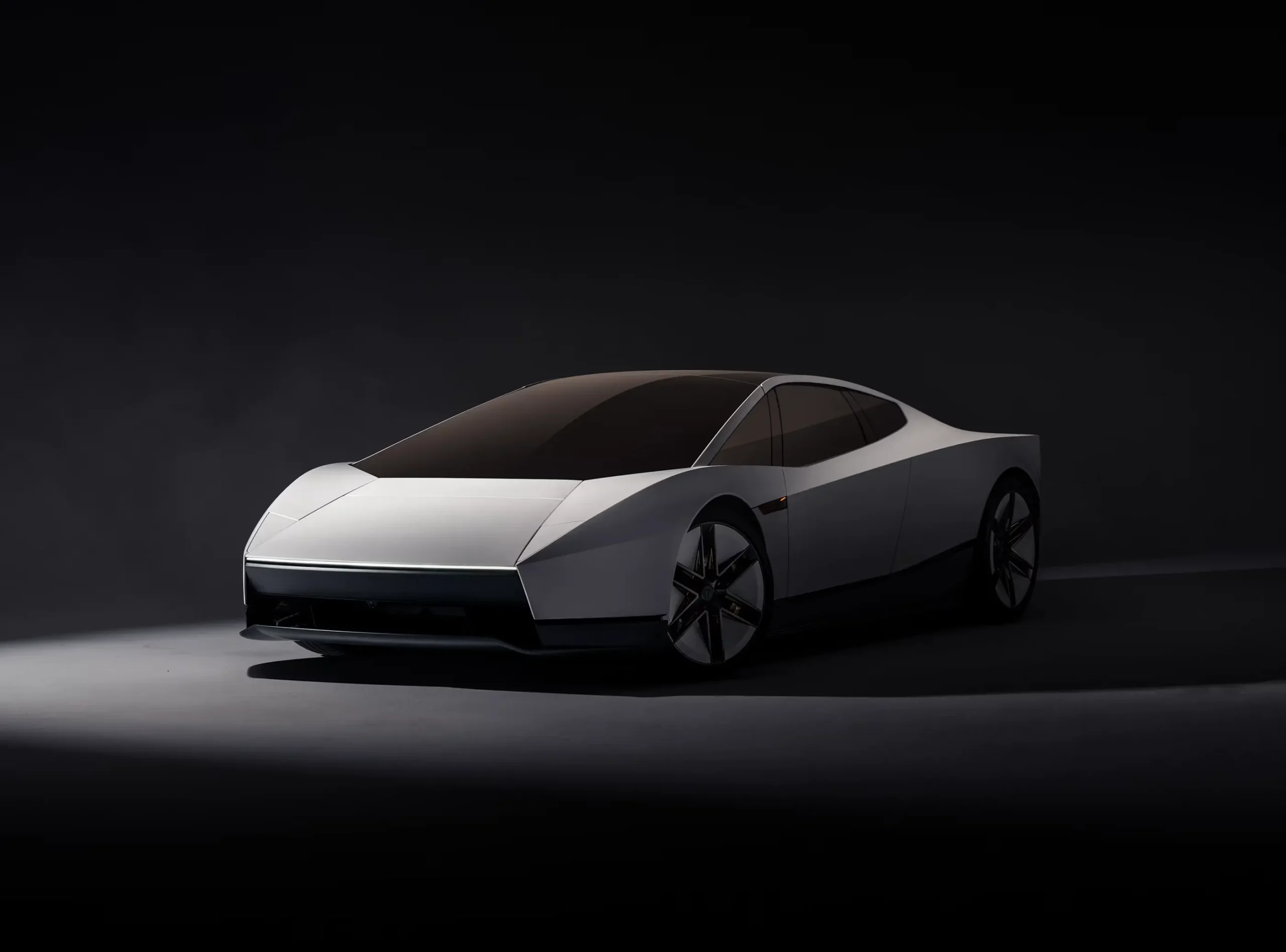
Tesla’s Roadster is an all-electric performance vehicle designed to combine high-speed driving with advanced aerodynamic engineering. Its latest configurations introduce additional technologies intended to enhance acceleration, traction, and movement beyond conventional road driving.
According to Tesla’s official Roadster website, the vehicle is available through three announced configurations: Performance, Thrust, and Rocket.
1. Advanced Electric Performance
The Roadster combines an electric powertrain with a lightweight design and advanced vehicle control systems. Electric motors can deliver torque rapidly, allowing electric sports cars to accelerate much faster than many traditional combustion engine vehicles.
Tesla’s earlier Roadster specifications included a claimed acceleration time of 1.9 seconds from zero to 60 mph, a top speed exceeding 250 mph, and a driving range of 620 miles. These were previously announced targets and should not be treated as independently verified results for the newly unveiled production model.
Tesla now advertises the limited Thrust configuration as capable of accelerating from zero to 60 mph in under one second. Actual production performance will need to be established through independent testing.
The broader lesson is that modern vehicle performance depends on more than engine power. Software controlled torque delivery, traction management, thermal regulation, and electronic systems are essential to making extreme acceleration controllable.
2. SpaceX Inspired Cold Gas Thrusters
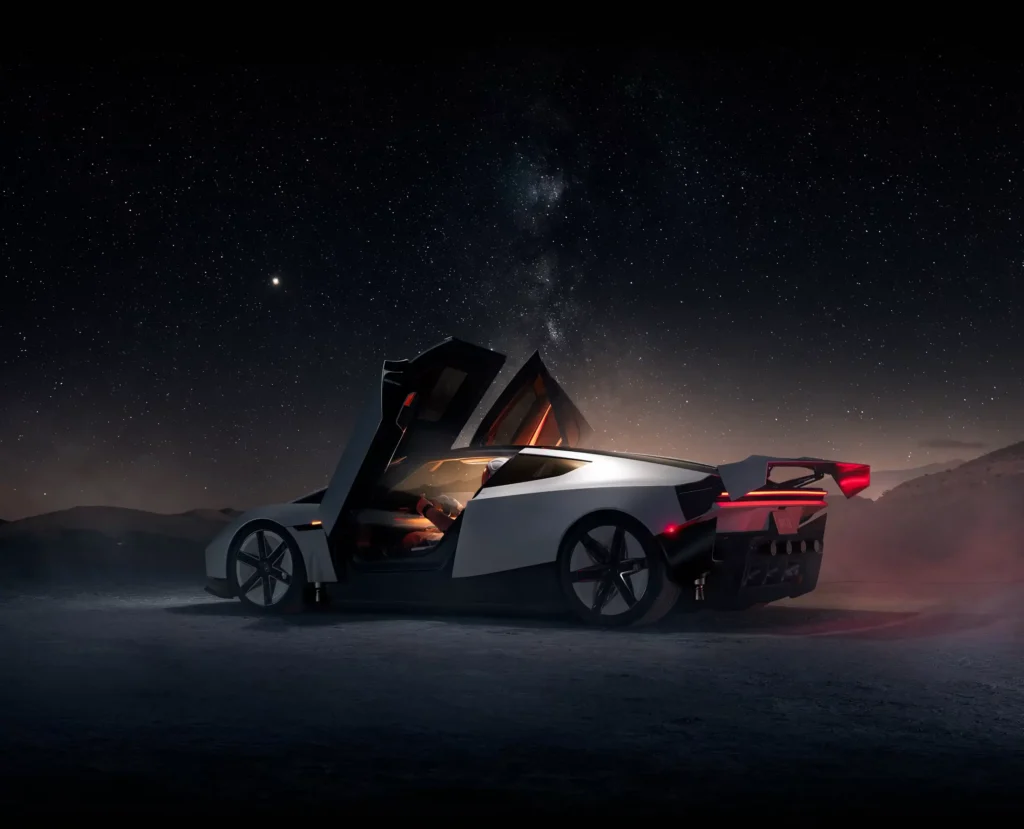
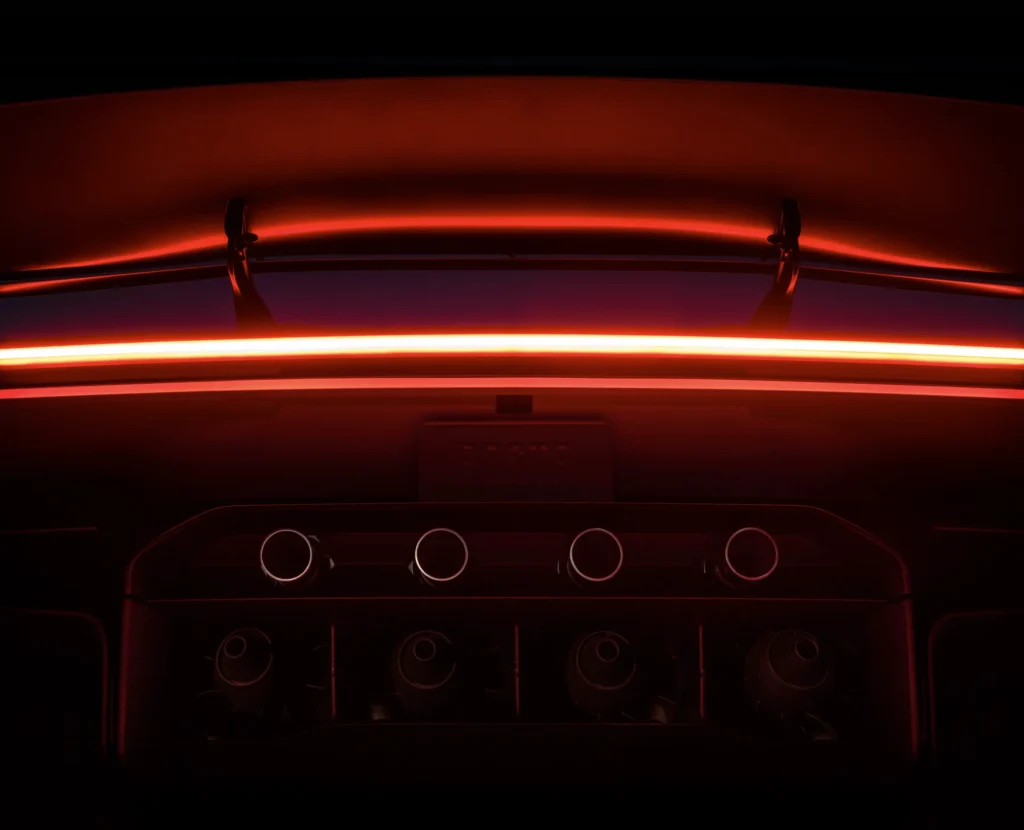
One of the most unusual features of the new Roadster is its cold gas thruster system.Traditional electric cars use their wheels to transfer motor power to the road. Tesla’s Rocket configuration introduces additional propulsion hardware that releases pressurised gas through specialised nozzles to generate thrust.
This system is designed to provide additional acceleration and, in the Rocket configuration, brief airborne movement. Carefully coordinated thrust can also help control the vehicle’s orientation during a demonstration.
Nevertheless, this technology introduces significant engineering challenges, including pressure vessel safety, thrust control, stability, energy and gas storage, and safe operation. It does not mean that the Roadster can operate as a conventional aircraft or travel freely through the sky.
3. A Suction-Based Aerodynamic System
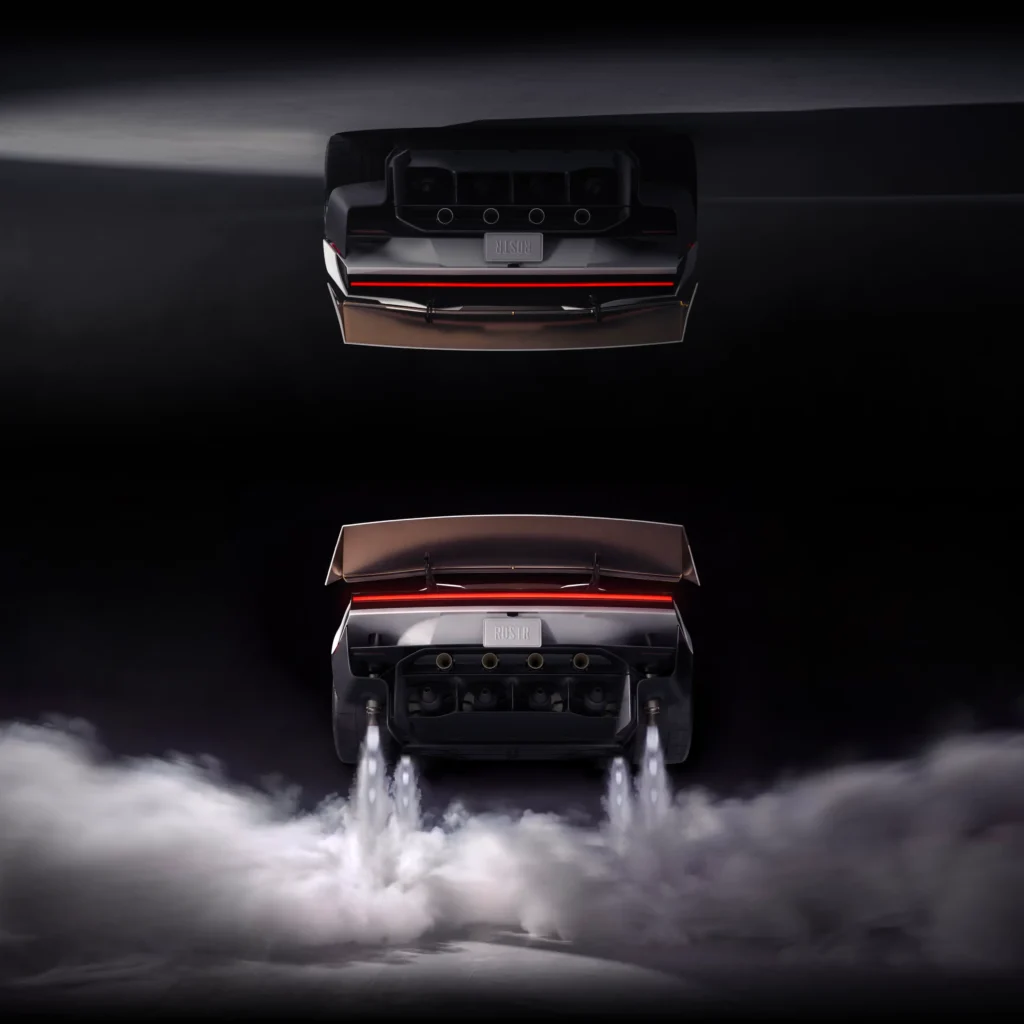
Another unusual feature is Tesla’s multi-mode fan and ground-sealing system.Conventional aerodynamic systems generate downforce primarily by directing airflow around the vehicle and using specially shaped surfaces. Downforce presses the tyres against the road, helping maintain traction during high-speed cornering.
Tesla describes a different approach that uses fans to remove air from beneath the vehicle. By creating a pressure difference between the underside and the surrounding air, the system can generate additional force that presses the car toward a surface.
Active aerodynamic components, including adjustable wings, are designed to change the vehicle’s aerodynamic behaviour according to driving conditions.
How Artificial Intelligence Is Shaping the Future of Mobility
The Roadster’s most eye-catching features are mechanical, but the broader transformation of transportation also depends on intelligent software and automation.
It is important to distinguish between the technologies Tesla has publicly described for the Roadster and the wider applications of AI across the automotive industry. Tesla’s announced thrusters and suction system do not, by themselves, establish that the car uses AI to fly autonomously.
Here are several ways AI could shape future mobility.
1. Intelligent Vehicle Control
Modern vehicles rely on electronic systems to manage acceleration, braking, steering, suspension, and traction. Software processes information from sensors and control units to help the vehicle respond to changing conditions.
AI can support more advanced applications by identifying patterns, estimating road conditions, and assisting decision-making. In future vehicles, intelligent systems could help coordinate multiple control functions while responding to unexpected situations.
However, safety-critical functions require predictable behaviour, extensive testing, and reliable fallback mechanisms. AI must work within carefully engineered safety limits rather than independently overriding essential controls.
2. Autonomous Driving and Computer Vision
AI-powered computer vision allows vehicles to interpret information from cameras and other sensors. Depending on the system, these technologies can help detect pedestrians, identify traffic signs, recognise obstacles, and understand road layouts.
Machine learning models can process large amounts of visual data to support driving decisions. Sensor fusion combines information from multiple sources to build a more complete understanding of the surrounding environment.
However, autonomous driving remains a complex engineering challenge. Real-world deployment requires extensive validation across different weather conditions, road environments, traffic situations, and unexpected events.
3. Predictive Maintenance
AI can also improve vehicle reliability by analysing data from batteries, motors, temperature sensors, and other components.Predictive maintenance systems look for unusual patterns that may indicate developing faults. Instead of waiting for a component to fail, these systems can help identify when inspection or maintenance may be needed.
For electric vehicles, this could support battery health monitoring, thermal management, charging optimisation, and early fault detection.
Similar techniques are already relevant to industrial equipment, manufacturing systems, and connected machinery. They demonstrate how AI can turn operational data into useful decisions.
4. Personalised and Connected Mobility
Software is changing the relationship between drivers and their vehicles. Connected systems can support navigation, remote diagnostics, digital interfaces, charging information, and software updates.
AI assistants may also help drivers interact with vehicle functions more naturally, understand maintenance notifications, or access relevant information.
As vehicles become more connected, cybersecurity and privacy become increasingly important. Manufacturers must protect vehicle communications, user information, software updates, and control systems against unauthorised access.The future of smart mobility will therefore depend on secure software architecture as much as on intelligent features.
The Role of Software Engineering in Advanced Vehicles
Behind every intelligent vehicle is a complex software ecosystem. Mechanical components provide the physical capability, but software helps coordinate how those components operate together.
Several areas of software engineering are particularly relevant to next-generation mobility.
Embedded systems development: Embedded software operates inside electronic control units and manages specific vehicle functions. It must respond reliably within strict timing and safety requirements.
Real-time computing: Vehicle control systems often need to process sensor inputs and issue control commands within precise time limits. Delays or unexpected behaviour can affect performance and safety.
System integration: Electric motors, sensors, battery systems, suspension, displays, and communication networks must work together without conflicts.
Cloud computing and data analytics: Connected vehicles can use cloud platforms for fleet monitoring, diagnostics, software delivery, and analysis of operational data.
Cybersecurity engineering: Secure authentication, protected communications, software integrity checks, and controlled access help defend connected systems against cyber threats.
These technologies show why software development has become a central part of automotive innovation. The same engineering principles are relevant to robotics, industrial automation, smart infrastructure, and other connected products.
Could Flying Cars Become a Practical Reality?
The idea of flying cars has existed for decades, but turning it into a practical transportation solution is much more complicated than demonstrating a vehicle leaving the ground.
A useful flying vehicle must address several major challenges.
Safety and stability: A vehicle must remain controllable during takeoff, movement, and landing, including when conditions change unexpectedly.
Energy and propulsion: Sustained flight requires sufficient thrust and energy. A brief demonstration does not establish the range, efficiency, or endurance needed for everyday travel.
Regulatory approval: Vehicles that operate in the air may face aviation certification, operating restrictions, pilot requirements, and additional safety standards.
Infrastructure: Practical aerial mobility may require suitable landing areas, traffic management, maintenance facilities, and emergency response systems.
Affordability: Advanced propulsion systems and specialised components may increase manufacturing and maintenance costs.
The Roadster’s Rocket configuration is an experimental step toward exploring some of these possibilities, not proof that flying cars are ready to replace road transportation.
Other technologies, including electric vertical takeoff and landing aircraft, are also being developed to address particular aerial transportation needs. Their designs and intended uses differ from those of a rocket-assisted sports car.
What This Means for the IT Industry
The future of mobility creates opportunities for technology companies that develop reliable digital products and intelligent systems.
As vehicles become more connected and automated, businesses may need software for real-time monitoring, data processing, predictive maintenance, cybersecurity, fleet management, and integration with cloud platforms.
AI development can support applications such as anomaly detection, image recognition, forecasting, and intelligent customer interfaces. IoT solutions can connect physical devices to digital systems, while analytics platforms can help organisations understand operational performance.
At Theta Solutions, these developments provide a useful example of why software engineering, digital transformation, and intelligent automation matter across industries.
Companies interested in exploring these opportunities can learn more about custom software development services.
Frequently Asked Questions
1. What is Tesla’s new Flying Roadster?
Tesla’s next-generation Roadster is an all-electric sports car unveiled in October 2026. Its rocket configuration includes cold gas thrusters designed to enable brief airborne movement. Tesla states that this configuration is not approved for public road use.
2. How does the Tesla Roadster fly?
The rocket configuration uses pressurised gas released through specialised nozzles to generate thrust. This can provide upward and directional forces for brief airborne movement. It is not a conventional aircraft and is not designed for unrestricted flight.
3. What role does AI play in the Tesla Roadster?
AI is relevant to the wider automotive industry through applications such as computer vision, predictive maintenance, data analysis, and autonomous driving. Tesla’s published Roadster information does not establish that AI independently controls its flying demonstrations.
4. What is the suction system in the Tesla Roadster?
Tesla describes a fan-based system that removes air from beneath the vehicle to generate additional downforce. Combined with active aerodynamics, it is intended to improve traction and support unusual demonstrations, including holding the car upside down.
5. When will the new Tesla Roadster be available?
Tesla has targeted 2028 for production. This remains a target rather than a guarantee of customer deliveries, and final production specifications may change.
6. How does software development support the future of mobility?
Software supports vehicle control, sensor integration, connected services, diagnostics, cybersecurity, and data analytics. AI and automation can add further capabilities when implemented with appropriate safety and reliability measures.
7. Will flying cars replace conventional cars?
Not in the foreseeable future. Aerial vehicles face substantial challenges involving safety, energy requirements, infrastructure, regulations, and cost. Flying vehicles may eventually serve specialised transportation needs, but widespread adoption remains uncertain.
Conclusion
Tesla’s Flying Roadster offers a compelling look at the intersection of electric vehicles, aerospace engineering, and advanced software. While its experimental flight capabilities remain highly specialised, the technologies surrounding intelligent mobility point toward a future in which software, AI, and automation play increasingly important roles.
For the IT industry, the message is clear: innovation depends not only on building advanced machines but also on developing the secure, intelligent, and reliable software systems that allow complex technologies to work together.