
Digital transformation is changing how businesses operate in Pakistan. From retail stores and restaurants to large commercial organizations, companies are increasingly adopting digital billing and automated systems to manage their daily operations.
The Federal Board of Revenue (FBR) is also strengthening its digital tax infrastructure to improve transparency, simplify reporting, and ensure accurate sales records. As a result, understanding FBR POS integration in Pakistan 2026 has become increasingly important for businesses that fall under the applicable integration requirements.
Whether you operate a retail outlet, restaurant, or growing business, choosing the right software can help you manage transactions efficiently while meeting relevant tax obligations.
In this guide, we will explore how FBR integration works, the latest developments in 2026, its benefits, and what businesses should consider when selecting a suitable solution.
What Is FBR POS Integration?
FBR POS integration is the process of connecting a business’s Point of Sale (POS) software with the Federal Board of Revenue’s computerized system to electronically transmit required sales and invoice information.
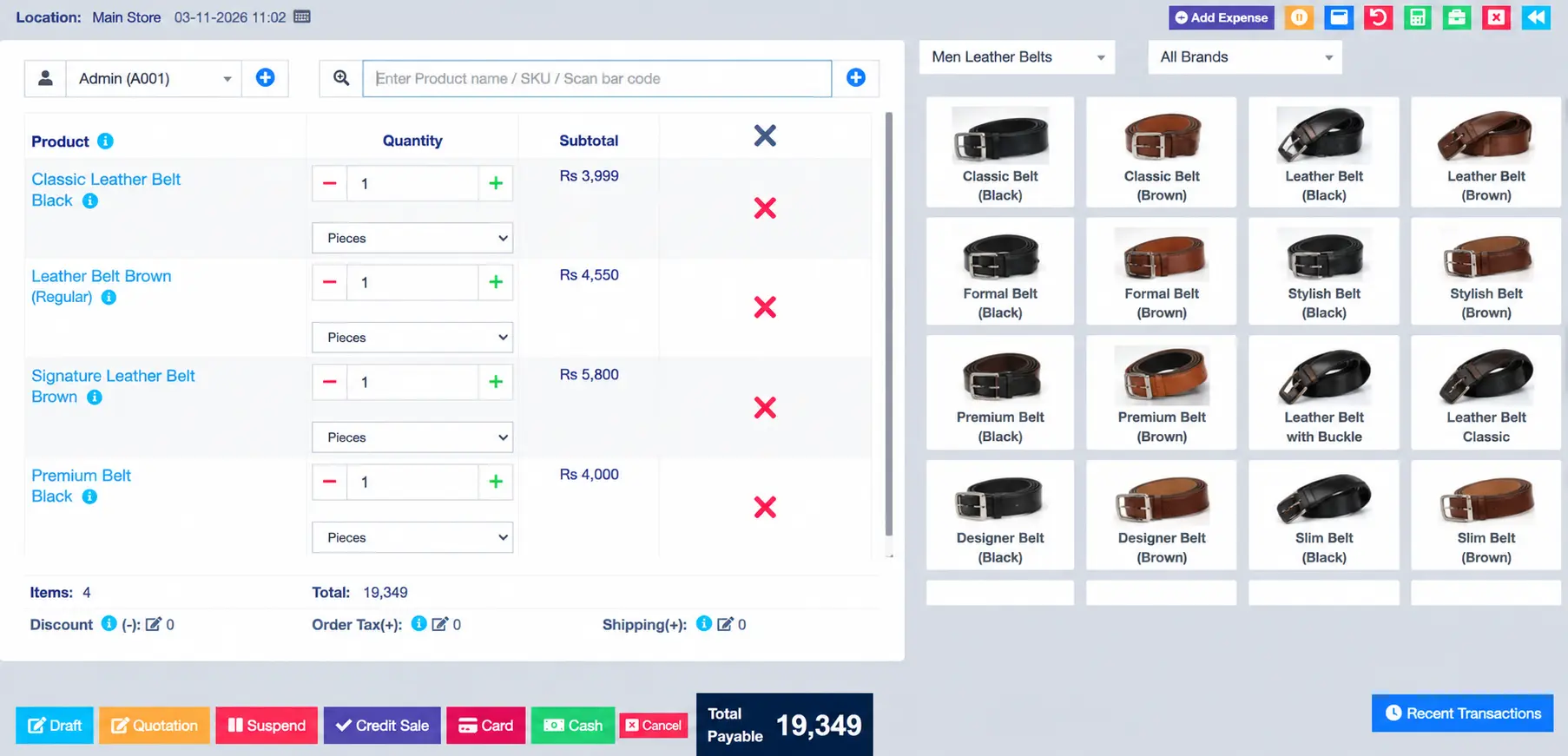
Modern point of sale systems do more than generate customer receipts. They can manage product information, inventory, billing, sales records, and payment transactions through a centralized platform.
When properly integrated with FBR through the prescribed arrangement, these systems help businesses maintain digital transaction records and meet applicable electronic invoicing requirements.
An integrated POS solution can help businesses:
- Generate electronic sales invoices.
- Transmit required invoice information to FBR.
- Maintain organized transaction records.
- Manage sales and inventory.
- Reduce manual billing and reporting work.
- Improve business transparency.
It is important to understand that traditional POS integration and the wider electronic invoicing framework are related but have different requirements under applicable FBR regulations.
What Has Changed in FBR Integration in 2026?
FBR has continued developing its digital invoicing framework, making 2026 an important year for registered businesses.
Here are some important developments:
- Electronic Invoicing Requirements
Under SRO 709(I)/2025, FBR introduced electronic invoicing requirements for specified corporate and non-corporate registered persons.
Businesses covered by these requirements must follow the applicable integration process and ensure their invoicing systems meet the prescribed technical standards.
- Sales Tax General Order No. 01 of 2026
On March 30, 2026, FBR issued Sales Tax General Order No. 01 of 2026, providing important clarifications regarding electronic invoicing.
The order allows registered persons to engage one or more licensed integrators for integration purposes.
It also addresses invoice corrections. Valid electronic sales tax invoices may be corrected, cancelled, or deleted within 72 hours of generation due to genuine mistakes. Changes after this period require prior approval from the relevant Commissioner Inland Revenue.
- Growing Adoption of Digital Integration
FBR’s published statistics show increasing adoption of integrated billing systems across retail, textile, leather, and restaurant sectors.
This development highlights the growing importance of reliable digital invoicing and properly configured software for businesses in Pakistan.
Who Needs FBR POS Integration in Pakistan?
FBR integration requirements depend on business classification, sales tax registration, applicable notifications, and relevant legal provisions.
Businesses that may fall under these requirements include:
- Tier-1 retailers and large retail businesses.
- Restaurants covered by applicable integration requirements.
- Textile and leather retailers covered by relevant notifications.
- Sales tax registered companies required to implement electronic invoicing.
- Other businesses specifically notified by FBR.
Not every business has identical integration obligations. Therefore, business owners should review their registration status and applicable FBR notifications before selecting an integration solution.
How Does FBR POS Integration Work?
The integration process connects business billing software with FBR through an authorized technical arrangement.
Here is how the process generally works:
Step 1: Understand Your Business Requirements
Review your NTN, sales tax registration, business category, and applicable FBR requirements. This helps determine the type of integration your business needs.
Step 2: Select Suitable POS Software
Choose software that supports your business operations, including billing, inventory, product management, and electronic invoicing.
Step 3: Select an FBR Licensed Integrator
Businesses covered by electronic invoicing requirements must work with a currently licensed integrator.
FBR publishes a list of licensed integration providers. PRAL is also available as an integration option and offers integration services free of cost on demand, according to FBR guidance.
Step 4: Configure FBR Software Integration
The selected integrator coordinates the technical connection between your business software and FBR’s computerized system.
This involves configuring invoice information, required data fields, and communication settings.
Step 5: Test the System
Before implementation, test invoice generation, tax calculations, transaction records, and successful data transmission.
Step 6: Start Digital Invoicing
Once the integration is properly configured, businesses can begin generating and transmitting electronic invoices according to applicable FBR requirements.
What Features Should Businesses Look for in POS Software?
Choosing the right solution requires more than comparing prices. Businesses should consider their daily operational needs and long-term growth plans.
When evaluating the best point of sale software, look for the following features:
Accurate Billing and Invoicing: The system should support proper invoice generation and required electronic reporting.
Inventory Management: Businesses should be able to monitor available stock, product movement, and inventory updates.
Tax Calculation: Accurate tax configuration helps minimize billing mistakes and reporting inconsistencies.
Multi-Branch Management: Businesses operating multiple locations can benefit from centralized monitoring and reporting.
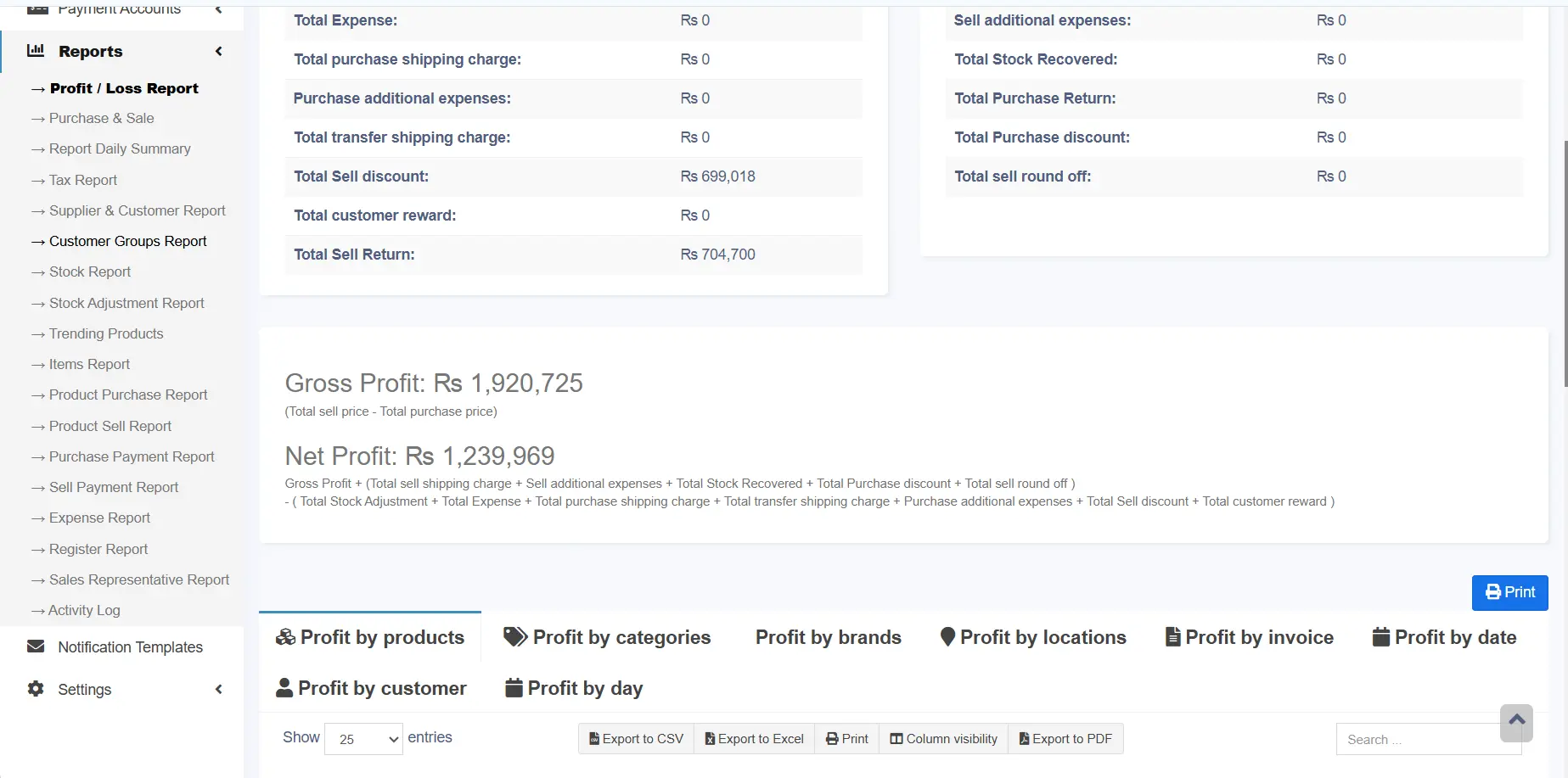
Sales Analytics: Detailed reports help business owners understand revenue, sales performance, and business trends.
Data Security: Secure access controls, backups, and proper data management help protect business information.
Technical Support: Reliable assistance is important for resolving software issues and maintaining integration.
For retailers, modern retail point of sale systems can also improve stock management, simplify checkout operations, and provide better visibility into daily sales.
Top 10 FBR Integration POS Companies in Pakistan: What Should You Consider?
Businesses searching for the Top 10 FBR integration POS companies in Pakistan should evaluate providers based on their technical capabilities, licensing arrangements, software features, and customer support.
Rather than relying on promotional rankings, consider these factors before selecting a provider:
- Current FBR licensed integrator status.
- Compatibility with your existing business software.
- Electronic invoicing capabilities.
- Inventory and sales management features.
- Multi-branch support.
- Data protection and system reliability.
- Transparent pricing and maintenance costs.
- Availability of technical assistance.
An important point is that a POS software vendor and an FBR licensed integrator are not necessarily the same organization. Always verify the actual integration arrangement through official FBR information before making a decision.
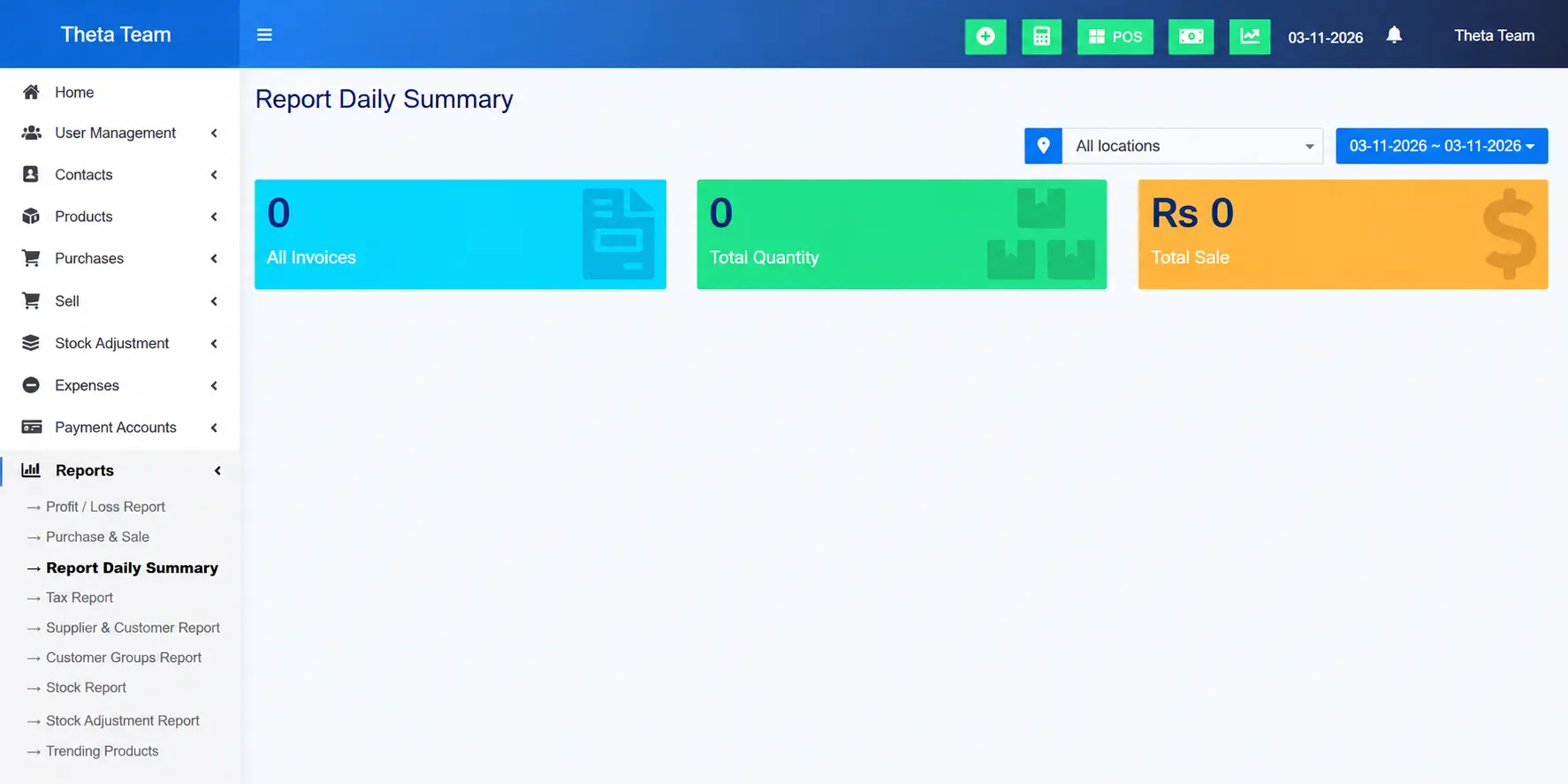
Benefits of FBR POS Integration for Businesses
A properly configured POS system can improve business operations beyond tax reporting.
Some important benefits include:
- Improved Transparency: Digital records make transactions easier to review and monitor.
- Less Manual Work: Automated billing reduces repetitive data entry.
- Better Accuracy: Properly configured systems help minimize calculation and invoicing errors.
- Organized Records: Businesses can maintain structured sales and transaction information.
- Faster Checkout: Digital billing improves the customer purchasing experience.
- Business Efficiency: Integrated sales and inventory management support smoother operations.
How to Choose the Right POS Solution?
Before investing in a POS system, consider whether it can support your current business requirements and future expansion.
Ask these questions:
- Does the software support your business category?
- Can it connect with FBR through a currently licensed integrator?
- Does it support the required electronic invoice format?
- Can it manage multiple branches and users?
- Is technical support available when needed?
- Are setup, subscription, and maintenance costs clearly explained?
A reliable technology provider should understand both your operational requirements and the technical aspects of integration.
Conclusion
FBR POS integration in Pakistan 2026 reflects the growing shift towards digital business management and transparent tax reporting. With evolving electronic invoicing requirements, businesses need reliable software that supports accurate billing, organized records, and the required connection with FBR.
Selecting the right system involves understanding your compliance responsibilities, verifying licensed integration arrangements, and choosing software that fits your business operations.
As an award winning IT company, Theta Solutions recognizes the importance of technology in helping businesses improve efficiency and adapt to changing digital requirements. The right software strategy can help organizations build more organized, scalable, and efficient operations.
Frequently Asked Questions (FAQs)
- What is FBR POS integration in Pakistan
It connects business POS software with FBR’s computerized system to transmit required sales and electronic invoice information.
- Is FBR POS integration mandatory in 2026?
It is mandatory for businesses covered by applicable FBR integration and electronic invoicing requirements. Obligations depend on registration status and relevant notifications.
- Can existing POS software be integrated with FBR?
Yes. Existing software may be integrated if it meets the required technical specifications and works through a licensed integration arrangement.
- Who provides FBR integration services in Pakistan?
FBR publishes a list of licensed integrators. PRAL also provides integration services free of cost on demand.
- How can businesses verify an FBR integration provider?
Businesses should consult FBR’s official list of licensed integrators and verify the provider’s current licensing status before proceeding.